The Fake Vacation E-mail That Could Drain Your Bank Account
The Fake Vacation E-mail That Could Drain Your Bank Account
Planning a vacation this year? Make sure your confirmation e-mail is legit BEFORE you click anything!
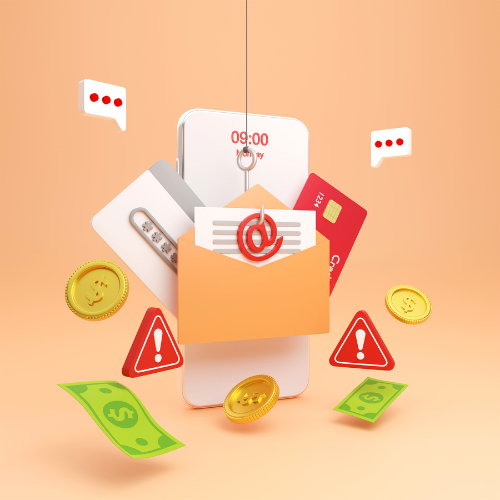
That’s right, summer is right around the corner and cybercriminals are exploiting travel season by sending fake booking confirmations that look nearly identical to e-mails from airlines, hotels and travel agencies. These scams are designed to steal personal and financial information, hijack your online accounts and even infect your device with malware.
Even tech-savvy travelers are falling for it.
Here’s How The Scam Goes
A Fake Booking Confirmation Lands In Your Inbox
- The e-mail can appear to come from well-known travel companies like Expedia, Delta or Marriott.
- Hackers often use official logos, correct formatting and even “customer support” numbers.
- Subject lines create a sense of urgency:
- “Your Trip To Miami Has Been Confirmed! Click Here For Details”
- “Your Flight Itinerary Has Changed – Click Here For Updates”
- “Action Required: Confirm Your Hotel Stay”
- “Final Step: Complete Your Rental Car Reservation”
You Click The Link And Get Redirected To A Fake Website
- The e-mail urges you to “log in” to confirm details, update payment info or download your itinerary.
- Clicking the link takes you to a convincing but fake website that captures your credentials when you enter them.
Hackers Steal Your Information And/Or Money
- If you enter your login credentials on the website they are impersonating, hackers now have access to your airline, hotel or financial accounts.
- If you enter payment details, they steal your credit card information or process fraudulent transactions.
- If the link contains malware, your device (and everything on it) could be compromised.
Why This Scam Is So Effective
- It Looks Legit: These phishing e-mails perfectly mimic real confirmation e-mails – logos, formatting and even links that look familiar.
- It Plays On Urgency: Seeing a “reservation issue” or “flight change” triggers panic, making people act fast without thinking.
- People Are Distracted: Whether they’re in the middle of work or excited about an upcoming trip, they’re less likely to double-check an e-mail’s authenticity.
- It’s Not Just Personal – It’s a business risk too.
If you or your team travels for work, this scam becomes even more dangerous. Many businesses have one person handling all reservations – flights, hotels, rental cars, conference bookings.
Because they receive so many confirmation e-mails, it’s easy for a fraudulent one to slip through. A single click from your office manager, travel coordinator or executive assistant could:
- Expose your company credit card to fraud.
- Compromise login credentials for corporate travel accounts.
- Introduce malware into your company network if the scam contains malicious attachments.
How To Protect Yourself And Your Business
- Verify Before You Click – Always go directly to the airline, hotel or booking website instead of clicking e-mail links.
- Check The Sender’s E-mail Address – Scammers use addresses that are close but not exact (e.g., “@deltacom.com” instead of “@delta.com”).
- Warn Your Team – Train employees to recognize phishing scams, especially those handling company travel bookings.
- Enable Multifactor Authentication (MFA) – Even if credentials are stolen, MFA adds an extra layer of security.
- Lock Down Business E-mail Accounts – Ensure e-mail security measures are in place to block malicious links and attachments.
Don’t Let A Fake Travel E-mail Cost You Business
Cybercriminals know exactly when and how to strike – and travel season is prime time.
If you or anyone on your team books work-related travel, handles reservations or manages expense reports, you’re a target.
Let’s make sure your business is protected.
Start with a FREE Cybersecurity Assessment. We’ll check for vulnerabilities, strengthen your defenses and help safeguard your team against phishing scams like this.